

Could you think of the last time you were in pain? Surely, you barely slept, worked or focused on that sensation. For many, the relief is packed into a tiny pill of dihydrocodeine. Doctors prescribe this drug, and people buy Dihydrocodeine 60 mg online in the UK, use the drug, and then forget about it.
However, the story of this painkiller is much deeper than a few days of relief. It interacts with opioid receptors in the brain and is susceptible to causing changes more than pain relief. It has the capacity to build tolerance and interact with some other formulas. Therefore, before taking any other dose, inform yourself about the science behind it.
What is Dihydrocodeine?
Apparently, it seems to you a painkiller that makes the pain go away within 20 minutes, allowing you to resume your daily activities. However, have you ever wondered what’s inside this tablet? How does it work on your body? The fact is straight; it’s not a magic pill that reduces pain. It’s built on a specific mechanism that acts on the body to relieve the pain.
To understand the drug, it is essential to know its classification first. It is a semi-synthetic opioid drug that is a modified form of codeine, enhanced in the labs to give it more power. In WHO’s metrics, it is referred to as STEP 2 opioid. This modification has given a distinct clinical profile to the drug. It is twice as strong as codeine and possesses high efficiency in relieving pain and coughs.
Dihydrocodeine’s mechanism isn’t a mystery; it works on the basic pain regulation systems in the brain and the spinal cord. It enters the bloodstream and, when carried to the brain, attaches to the mu opioid receptors found on the surface of neurons in the Central Nervous System. The drug does not stop pain; it breaks the communication network of the chemical messengers in the brain.
It has three multiple strengths that act according to the intensity of the pain needed to break. The lowest strength is 60 mg, followed by 90 mg, which is the middle option, and then the highest, 120 mg. When the pain is unbearable, it is advised to buy Dihydrocodeine 120 mg online in the UK and live pain-free.
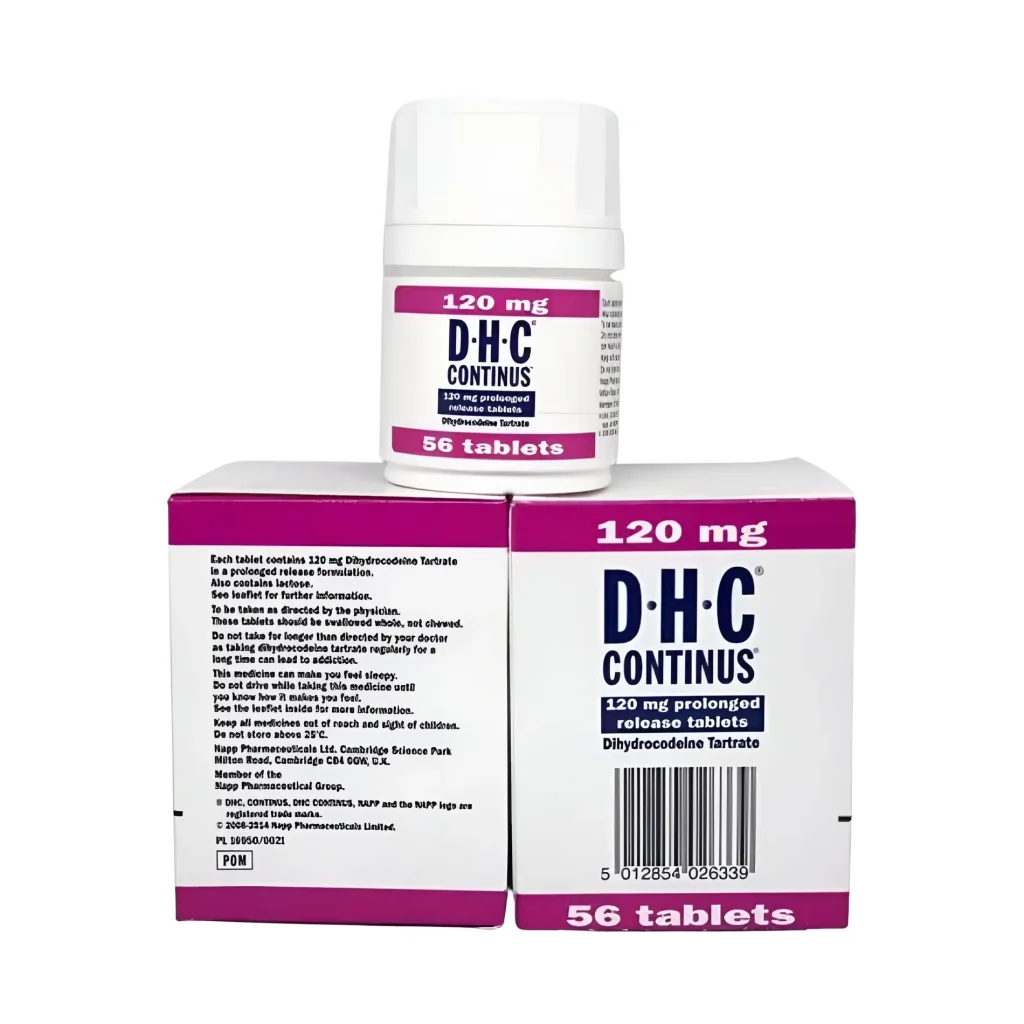
What’s the Difference Between Dihydrocodeine and Codeine?
It’s integral to understand dihydrocodeine and codeine when you want to know the opioids. They both have the same structural formula, but different potencies and metabolic pathways. While both of them are considered weak opioids, Dihydrocodeine steps up the game, with its artificial modification, and works twice as strongly as codeine, and relieves the intense pain.
The major difference lies in the drug’s metabolic pathway. Codeine requires an enzyme to break it down into the metabolite Morphine, as it is not very active in its original form for killing pain. With the genetic variations in humans, some of them convert into very poor morphine. Otherwise, it is converted to a more toxic and dangerous level of morphine that can cause severe respiratory disorders.
Whereas Dihydrocodeine is less dependent on the enzymes. Therefore, its results are more reliable on a large population. For this reason, it is largely prescribed, and people now opt to buy Dihydrocodeine 90 mg online in the UK.
Chemically, dihydrocodeine is modified by the saturation of the double bond to make it more reactive than codeine. It’s a consistent pain reliever that carries a low risk of metabolic issues.
Key Insights on Dihydrocodeine
When you are navigating your pain problems, you must have clarity when opioids are involved. Pay attention to the information given below, as it is the detailed one for your understanding.
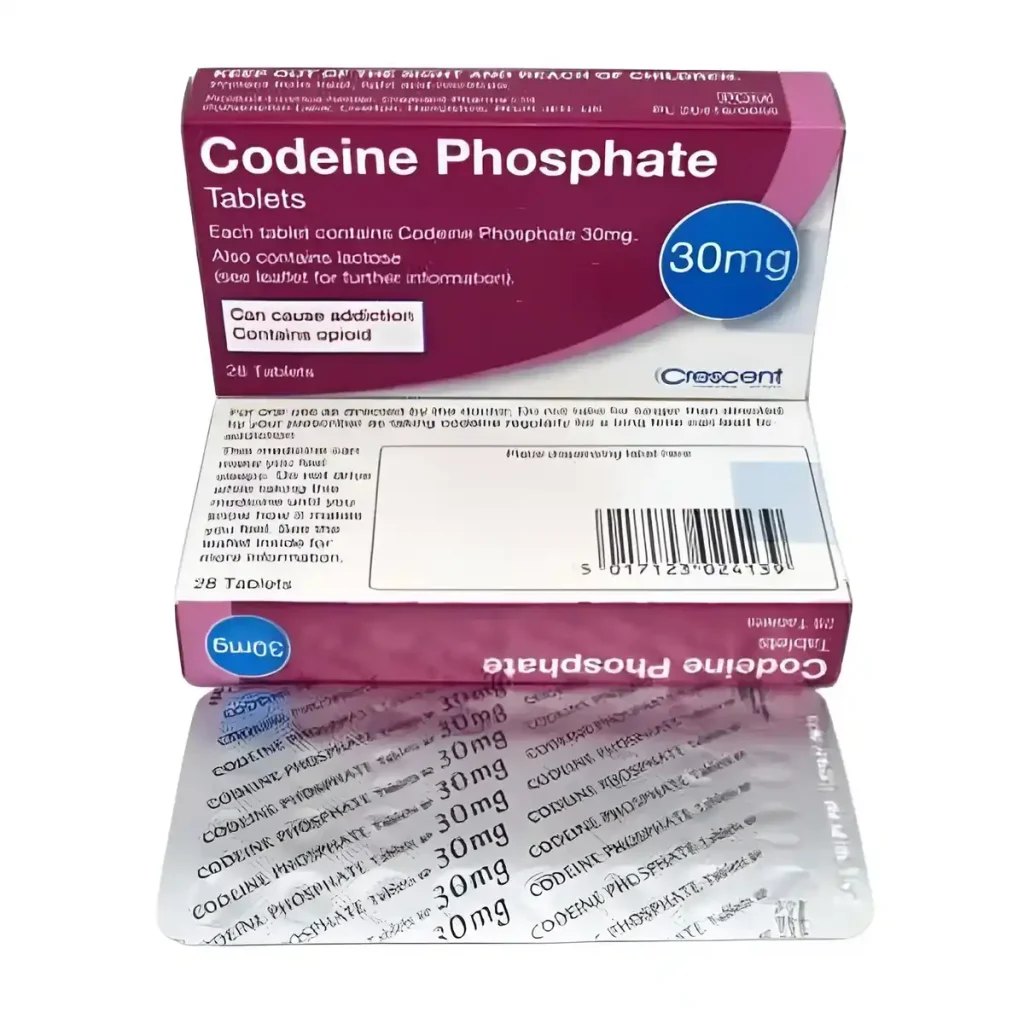
Is Dihydrocodeine Stronger than Codeine?
Yes, it is stronger than Codeine. Based on all the discussions above, Dihydrocodeine is twice as effective as Codeine in diminishing pain. Dihydrocodeine is given when all other painkillers have failed to offer relief.
Though it is counted as a weak opioid, due to hydrogenation of codeine, it binds to the mu receptors more effectively than other opioids. It is responsible for pain suppression and giving more amplified results per milligram. However, when the pain is mild, such as a headache and muscle soreness, you can buy codeine phosphate 30 mg online in the UK.
Is Dihydrocodeine a Controlled Drug?
Yes, Dihydrocodeine (DHC) is definitely a controlled substance as its regulation is essential; otherwise, people may develop tolerance and dependence. If you take it without any medical supervision, you may experience some life-threatening situations.
The drug has adverse effects when taken with some combinations, such as paracetamol. Therefore, it is dangerous to take without proper knowledge.
However, its medical use is accepted when taken into proper consideration. DHC, in its pure form, is a controlled drug, only available on prescription. However, if the pharmacy is verified and follows all the protocols for selling medicine, then it’s legal to buy Dihydrocodeine 120 mg online in the UK without a prescription.
The online mode also helps when you already have a prescription, then it’s convenient to order online the already prescribed and controlled drug.
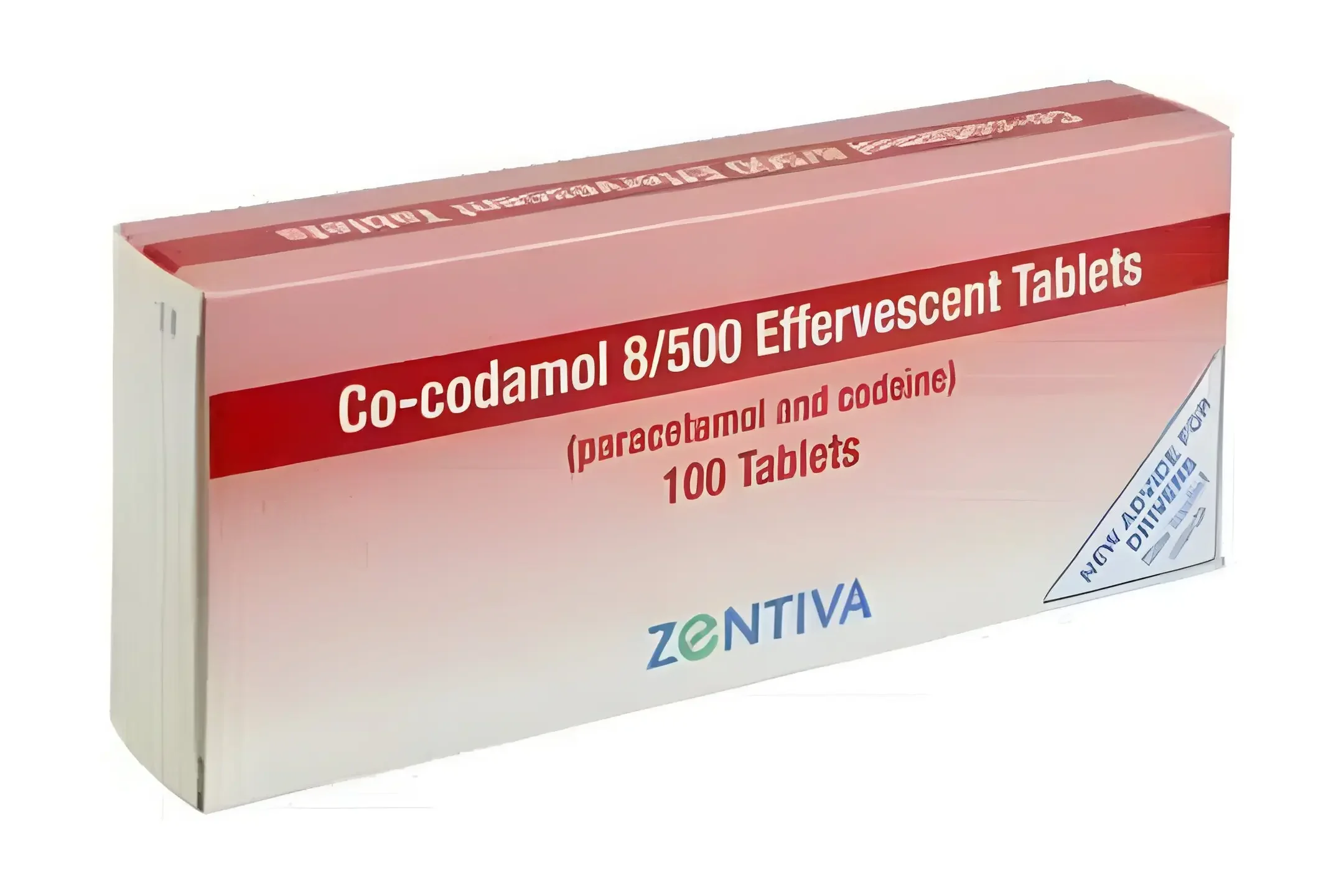
Is Dihydrocodeine Stronger than Co-Codamol?
Yes, it is stronger than Co-Codamol, as it’s a combination drug and contains weaker codeine. We already know dihydrocodeine is stronger than codeine. Additionally, DHC serves as a substitute for painkillers that fail to provide relief, so this makes it more potent. It is superior to both drugs and is commonly prescribed to relieve pain.
Dihydrocodeine is a standalone opioid that treats mild to moderate pain. Co-codamol is a combination drug that comes in strengths of 8/500 mg and 30/500 mg. This duo contains (Codeine and Paracetamol).
Its 30/500 mg strength is the best and the maximum you can have, whereas DHC starts from 30 mg and offers higher potencies, such as 60 mg, 90 mg, and 120 mg. These strengths respond to the more severe and intense pains.
Does Dihydrocodeine Contain Paracetamol?
No, the drug dihydrocodeine does not contain Paracetamol. It includes the DHC formula in its pure form, available in multiple strengths. Its extended-release formula DHC Continus also does not contain paracetamol.
However, when it’s a combination product of DHC, then we have a chance of having paracetamol in the formula, such as Co-dydramol. In this combination, there is a fixed amount of DHC and a standard amount of Paracetamol, which is 500 mg. Therefore, if you want to know if the drug is a combination, then check the full name of it. DHC states that it is a single drug, while Co-codamol shows the combination of the drugs.
Can you take Paracetamol with Dihydrocodeine?
Yes, it is safe to use Paracetamol with DHC. If you think of taking Paracetamol as an individual tablet with DHC, then it’s a suitable combination. You can combine the two tablets and swallow them simultaneously. Both of the drugs work in different ways and work effectively for pain relief.
However, take care not to exceed the regular dose of paracetamol, which is 4g per day for an adult. You should avoid taking a double dose of paracetamol when the tablet already contains a combination of DHC and Paracetamol. So, when you need to relieve the intense pain alone, DHC can do the task, buy dihydrocodeine 90 mg online in the UK.
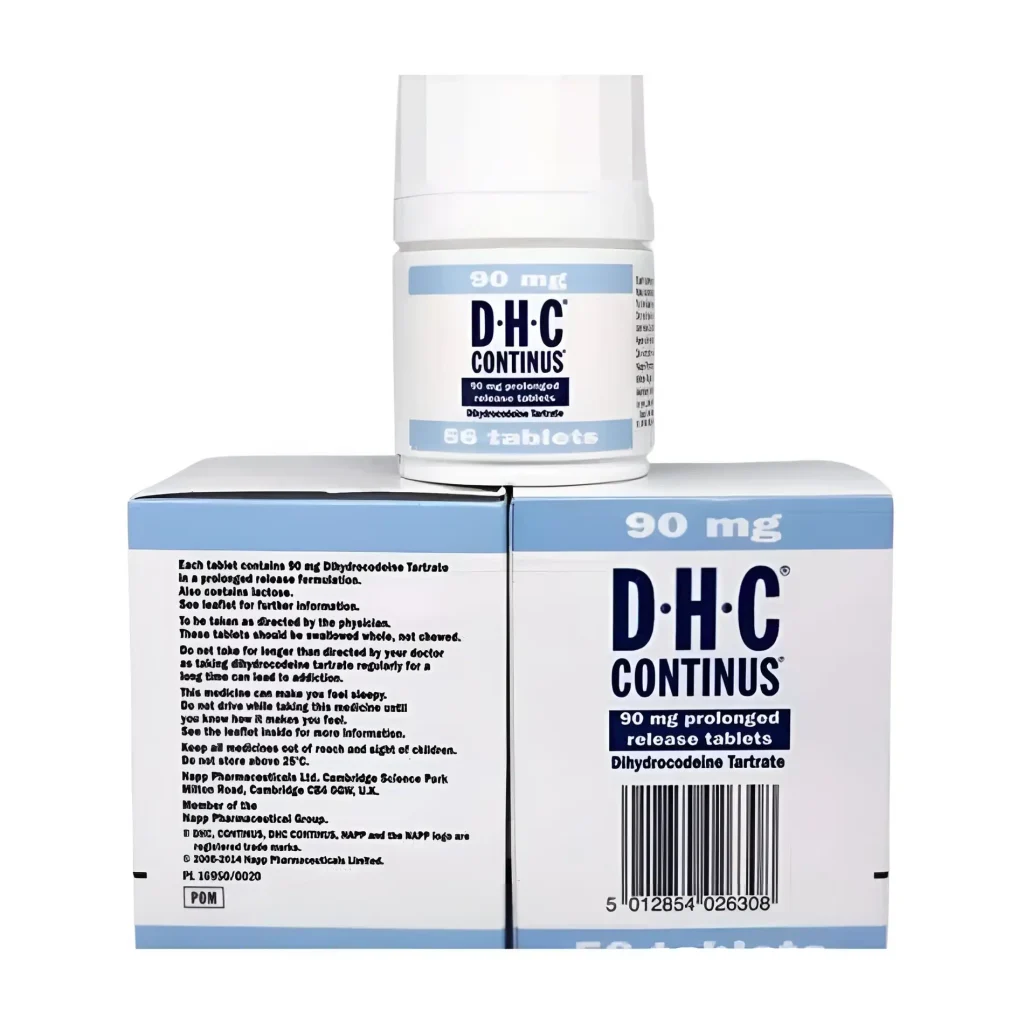
Can you take Ibuprofen with Dihydrocodeine?
Yes, you can safely combine ibuprofen and dihydrocodeine because they belong to different classes of pain relievers and have distinct mechanisms for controlling pain. This is a combination typically prescribed by a doctor to provide greater relief from moderate to severe pain.
Combination and Mechanism of Action
Ibuprofen is an NSAID that reduces pain, inflammation, and fever by blocking the action of enzymes that produce inflammation. It alleviates mild to moderate pain, inflammation in arthritis, sprains, and fever.
DHC binds to opioid receptors in the central nervous system (the brain and spinal cord), altering the way the body perceives pain signals. It deals with post-operative, injury-based, or failure-related issues due to weaker medicines. However, you can buy dihydrocodeine 60 mg online in the UK without a prescription from UK Tablets Direct.
The two are effective together since ibuprofen treats the cause of pain and inflammation at the site of injury, whereas dihydrocodeine works centrally to reduce the individual’s pain experience. Their combined action tends to give high pain relief without adding any risk of overdosing on a particular type of medication.
Significant Differences and Situational Choice
By integrating two classes of pain relievers, one achieves a wide range of pain coverage, from mild to moderate pain, and builds up to moderate and severe pain. Nonetheless, the drugs have different risks attached to them.
NSAIDs have a relationship with gastrointestinal issues like ulcers, bleeding, and, with prolonged and high dosage, may overload the kidneys. On the other hand, the opioid ingredient has the risks of addiction/dependence on the central nervous system.
The type of pain should be considered to find the best option. NSAIDs are most effective for inflammatory pain, including a toothache, muscle pain, menstrual pain, arthritis, or pain in the region of a swelling. Instead, opioids should be used in the treatment of Severe non-inflammatory pain, such as post-operative pain, severe pain in the back, or during cancer.
Risks of Combination
Although not dangerous when properly administered, the dihydrocodeine ingredient poses major dangers:
CNS Depression: The two drugs can induce drowsiness, particularly dihydrocodeine. This effect can be improved by engaging in activities that are not safe, such as driving and operating heavy machinery.
Dependence and Addiction: Dihydrocodeine has a risk of dependence, but with greater dosage or the longer it is used, the risk increases. It must be used for the minimum time possible for acute pain.
Gastrointestinal Risk: Ibuprofen carries its own risk of stomach irritation; therefore, it should never be exceeded beyond the maximum recommended dose and should always be taken with food.
Does Dihydrocodeine Cause Weight Gain?
DHC has no direct relation to weight gain. This is the least common form of side effects that is reported. But it can cause weight gain when we see the logical and medically documented evidence.
Reduced Activity
DHC has common side effects such as drowsiness, sedation, and fatigue. This naturally reduces the patient’s physical activity. At the same time, energy is sustained through high-calorie food intake, which can lead to weight gain. This is an indirect way to gain weight.
Altered Appetite
A mechanism by which dihydrocodeine can alter body weight is through changes in appetite regulation. Since opioids are connected to the reward centers of the brain, their chronic use may induce or even enhance the desire to consume edible and energy-dense foods such as sweet or fatty foods.
This shift in appetite and preference towards high-sugar foods could lead to an increase in total caloric intake. It results in excess energy stored in the body as fat, which eventually contributes to weight gain. Now, in this case, if you want to buy codeine phosphate 30 mg online in the UK as a painkiller, you should go for it.
Yes, DHC can cause weight gain if you are using it for a long time for chronic pain. Those who take this for a longer time, be mindful of this risk. However, for short-term use, buy Dihydrocodeine 60 mg online in the UK.

Can You Take Dihydrocodeine?
Yes, you can take DHC as it’s an opioid drug that effectively distorts the pain network in the brain. It is given when other painkillers aren’t of any use in minimizing pain.
What is it used for?
It is used for the following purposes:
- Moderate to Severe Pain
- Long-Term Pain
- Cough Suppression
How Should It Be Taken?
Take it as indicated below:
- As Prescribed Only
- Swallow Whole
- With food
- Short Term Use
You can buy Dihydrocodeine 30 mg online in the UK to get rid of pains that have disrupted your peaceful sleep.
How Long Does Dihydrocodeine Take to Work?
The onset time of dihydrocodeine varies according to the formulation; the liquid form is the quickest, while a standard (immediate-release) tablet takes an average of about 1.5 to 2 hours to achieve peak analgesia.
However, 4-6 hours is the average duration of action. By comparison, slow-release pills are designed to maintain a consistent analgesic effect throughout 12 hours. Their effect onset may take a little longer, and their duration of action is significantly longer.
Final Words
Dihydrocodeine (DHC) is a powerful painkiller that helps control intense pain when no painkillers are enough to prevent it. When you consider the appropriate amount of the drug, also, think of the source to buy, as it’s half the work done right when you find a store that gives you 100% original drugs.
UK Tablets Direct is one such online store that claims to provide original drugs sourced from authentic manufacturers for the people in the UK. We have many other drugs, such as sleeping pills, anti-anxiety pills, and sexual health-related drugs. All can be delivered at your doorstep with anonymous packaging. To buy Dihydrocodeine 120 mg online in the UK, place your order now with us.
FAQs
How Often Can You Take Dihydrocodeine?
When taking low strengths, such as 60 mg and 90 mg, you can take them three times a day. However, with the 120 mg strength, the relief is sustained, and one pill is enough per 24 hours.
Can You Take Dihydrocodeine With Pregabalin?
If you want to combine two drugs, you can only do so under medical supervision; otherwise, you will experience risks.
How Long Does Dihydrocodeine Stay in Your System?
It stays within your system for 3 to 4 days; however, the effect of the dose depends on the strength.
Is Dihydrocodeine Addictive?
Yes, when you exceed the dose, and take it for a long time it becomes addictive.